Reading the Room Before It Exists: What a Site Walkthrough Reveals in Sixty Minutes

Photo: event planner inspecting empty ballroom venue walkthrough clipboard, via img.freepik.com
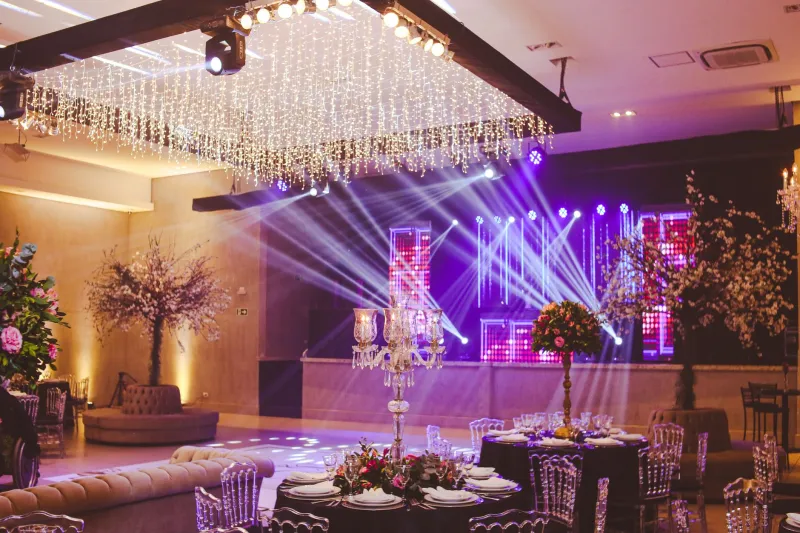
Every venue photographs well. That is not cynicism; it is the business model of the hospitality industry. Wide-angle lenses, golden-hour lighting, and artfully cropped shots of the ballroom can make a converted warehouse in Portland or a rooftop terrace in Dallas look like the answer to every question a client has asked.
Then the planner walks in, and the real evaluation begins.
The First Ten Minutes Happen in the Parking Lot
A seasoned planner's assessment starts before the front door. Where do charter buses idle? Is the loading entrance visible from guest arrival areas? Is there adequate staging space for vendors without blocking emergency egress or, worse, the valet line?
These details never appear in a brochure, yet they shape the first and last impressions of every event. A beautiful atrium with a chaotic arrival experience produces a different guest memory than a modest lobby with a choreographed entry.
Sightlines, Ceilings, and the Geometry of Experience
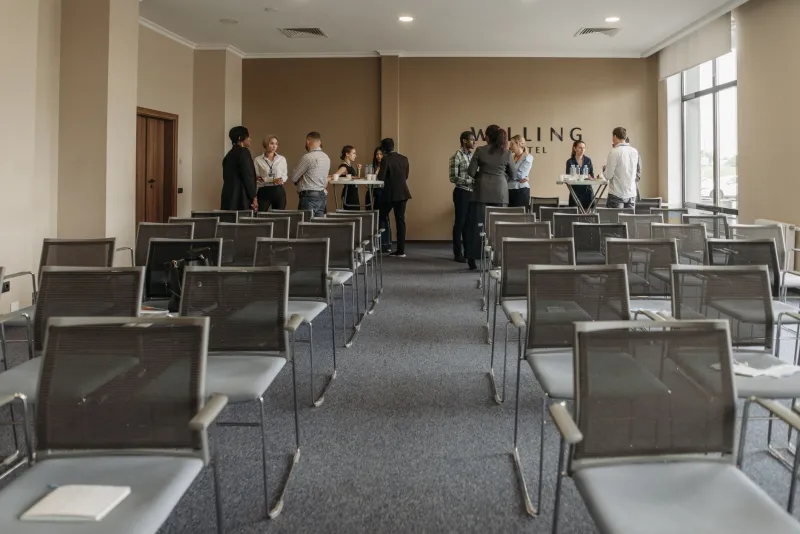
Inside, the walkthrough becomes a study in geometry. Where are the load-bearing columns relative to the natural focal point of the room? Can every seat see the stage, or will forty guests watch your keynote on a video relay because a steel beam bisects their view?
Ceiling height dictates more than aesthetics. Low ceilings limit rigging points for lighting and audio, restrict banner placement, and can make a 500-person reception feel airless. Conversely, a cavernous space may require significant investment in drapery and acoustic treatment to feel intimate during a dinner program.
Planners also test the room in both configurations: empty, and mentally populated. Standing where the buffet will sit, they check whether a queue of fifty people will bottleneck a primary corridor. They count the restrooms and do the arithmetic against expected attendance. They note where the bar could go—and where it cannot.
The Questions That Surface Hidden Dealbreakers
Website specifications list square footage. They do not list the things that actually end negotiations. A professional walkthrough is built around questions such as:
- What is the exclusive vendor policy, and what does it cost to opt out? A venue with in-house catering exclusivity can add tens of thousands of dollars that never appeared in the rental quote.
- When was the HVAC system last serviced, and what is its performance ceiling? A July gala in Atlanta is a very different proposition depending on the answer.
- What else is booked in the building that night? Shared walls, shared parking, and shared elevators with a competing event can compromise the experience entirely.
- What time is hard load-out? Union rules, city ordinances, or the next morning's corporate breakfast can quietly compress your timeline.
- Who holds the keys at 11 p.m.? Escalating overtime charges for venue staff are a classic post-event surprise.
None of these questions is hostile. All of them are essential. The difference between a venue that wows on a screen and one that performs on the night is usually found in the answers.
Following the Load-In Path
One of the most telling exercises in any walkthrough is tracing the delivery route from truck to ballroom. How many doors? Are there freight elevators, and do they fit a road case? Is there a ramp, a tight corner, a single narrow corridor through which every table, floral installation, and staging element must pass?
A flawless setup schedule depends on this path. If a 300-guest event requires forty minutes per truckload through a service corridor also used by the hotel kitchen, the entire production timeline must be rebuilt around that constraint. This is precisely the kind of discovery that should happen during a walkthrough—not at 6 a.m. on event day.
Reading the Staff, Not Just the Space
Experienced planners evaluate people as carefully as square footage. How responsive was the events manager before the visit? During the walkthrough, do they answer operational questions directly, or pivot back to the sales narrative? Does the banquet captain seem empowered, or does every answer require checking with someone else?
A venue is a promise delivered by a team. If the team seems thin, disorganized, or evasive during the courtship phase—when venues are on their best behavior—the marriage will be difficult.
The Verdict in Under an Hour
To an untrained eye, a walkthrough is a tour. To a professional, it is a diagnostic. Within sixty minutes, a planner has stress-tested the floor plan, traced logistics, probed the contract's gray areas, and assessed the operational culture of the venue itself.
That is why the shortlist a professional brings back to a client often looks nothing like the client's original wish list. It is not the spaces that photographed best. It is the spaces that will perform best—verified in person, question by question, before a single deposit changes hands.
When your next event matters, bring someone who can hear what the room is saying before the room is full.